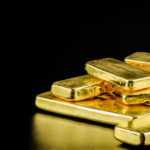
Humans have been fascinated with Silver since recorded history began. In ancient Greece, Silver was associated with Isis, the goddess of motherhood and fertility. In the west, several pre-Columbian tribes buried their dignitaries in Silver to usher them into the next world. Silver appears as a symbol of strength and beauty in everything from Roman mythology to the ancient Hebrew Scriptures. Like gold, silver was first used in ceremonial pieces and jewelry. Starting in 700 BC, records show that a merchant from Mesopotamian - now modern day Iraq - traveled over a treacherous mountain path to trade his textiles for gold and silver.
Unlike gold however, silver is often found in large deposits. Mining silver has been a lucrative enterprise for thousands of year, dating back as far as 500 BC. From 500 to 100 BC, historians say there were 350 mines producing 1,000 "talents" of silver a year. In today's measurements, that would be equal to fifty-seven pounds each year, from each mine. And that was just in the known world. Recent finds show that many tribes in the Americas yearned for silver as well. In the 16th century, massive deposits of silver were discovered in Mexico, Bolivia and Peru. These abundant mines made the New World the largest silver-producing area, fueling the rush for Europeans to explore and exploit this potential wealth.
Read More