



The Price Of Gold Is Never Too High!


(December 2, 2024 - Dr. Oliver Wilhelm)
Reflecting on the optimal gold allocation in your portfolio is crucial for several reasons, particularly in a rapidly changing economic landscape. Here are some key points that highlight its importance:
- Hedge Against Inflation and Economic Uncertainty
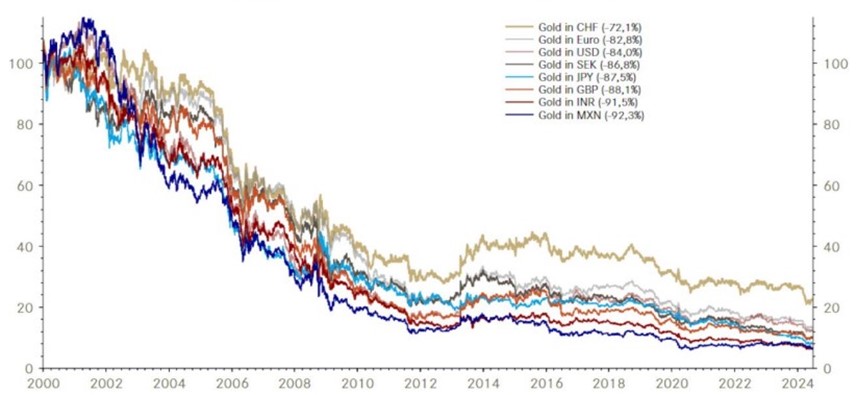
Gold has historically been viewed as a safe-haven asset, especially during periods of inflation or economic instability. By incorporating gold into your portfolio, you can protect your investments from the eroding effects of inflation. As central banks increase money supply and interest rates fluctuate, gold has proven to be an efficient buffer against currency devaluation.
- Diversification Benefits
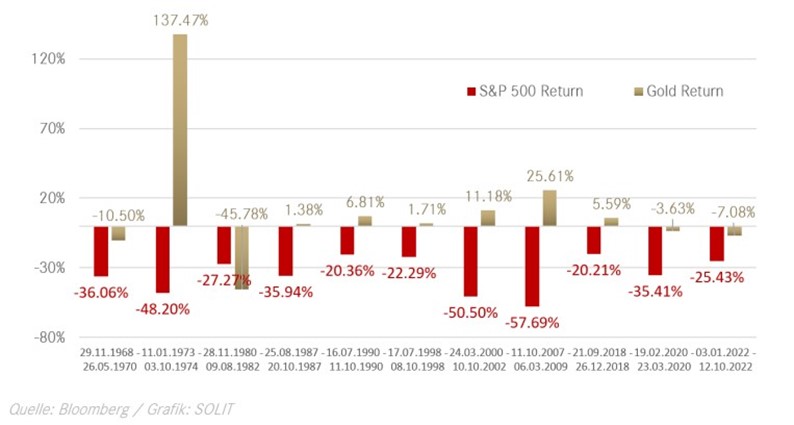
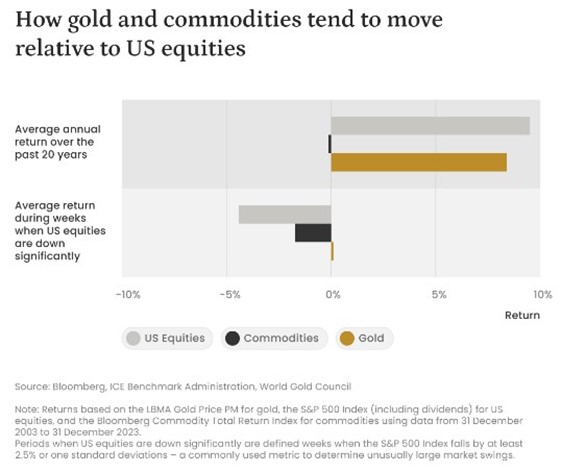
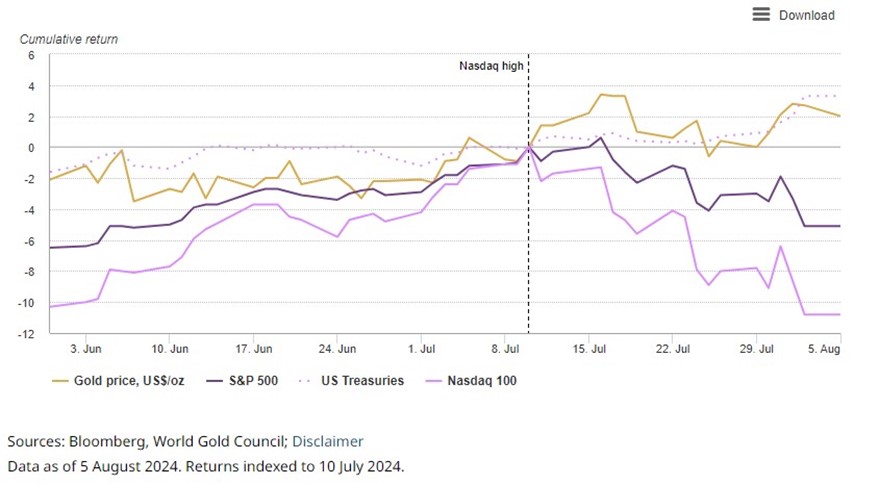
Including gold in your investment strategy will enhance diversification. Gold typically has a low correlation with other asset classes such as stocks and bonds. This means that when stock markets are volatile or declining, gold may perform differently, potentially stabilizing your overall portfolio returns. A well-diversified portfolio can reduce risk and improve long-term performance.
- Market Sentiment and Behavioral Trends
Understanding the dynamics of gold allocation allows investors to gauge market sentiment and behavioral trends. For instance, during times of geopolitical tension or financial crises, demand for gold often increases as investors seek safety. By being aware of these trends and adjusting your allocation accordingly, you can position yourself advantageously ahead of market movements.
- Long-Term Value Preservation
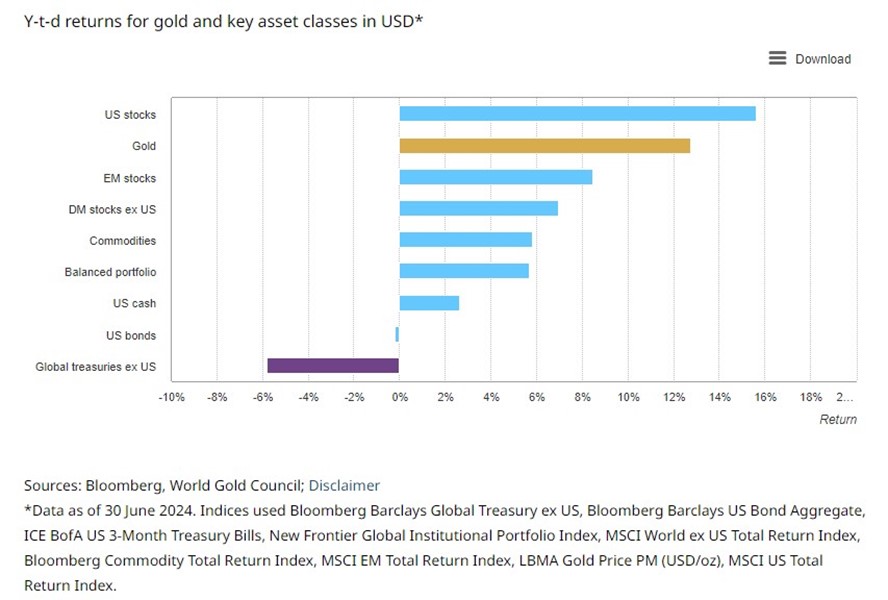
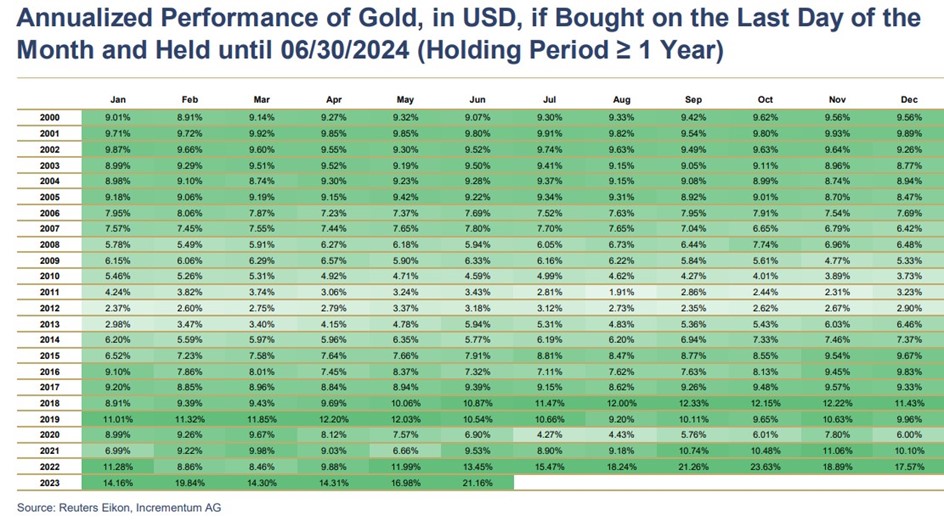
Gold has been a store of value for centuries, making it an attractive option for long-term wealth preservation. Unlike fiat currencies that can be printed at will, gold is a finite resource globally accepted as store of value, unit of account and means of exchange. Reflecting on how much gold to hold in your portfolio ensures that you are prepared for potential future scenarios where traditional assets may lose value.
- Adaptation to Changing Economic Conditions
The global economy is constantly evolving due to factors such as technological advancements, shifts in consumer behavior, and changes in government policies. Regularly assessing your gold allocation helps you adapt to these changes and make informed decisions based on current economic indicators and forecasts related to risk-reward structures of other asset classes.
- What is the ideal gold allocation?
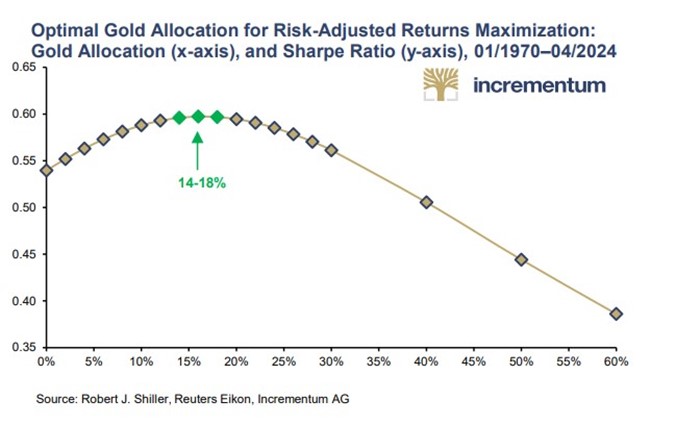
WisdomTree Asset Management examined the underperformance of the 60/40 portfolio and determined that incorporating 16-19% gold optimizes risk-adjusted returns. To arrive at this conclusion, they conducted 20,000 Monte Carlo simulations over a 10-year timeframe.
Different studies suggest a gold allocation ranging from 10% to 19%, depending on factors such as your investment horizon and other assets in your portfolio. Notably, even the lowest suggested allocation significantly exceeds the average typical allocation of about 1 to 2% in wealthy portfolios!

There are smart ways to invest in gold physically without the shortcomings of ETFs or ETCs.
They are suited to the demand of sophisticated private investors, UHNWIs and corporations.
-
 Gold & Silver Buyers Are Back By
September 17 2026
-
 Gold & Silver Start Higher But Drop After ¼% Increase In Interest Rates By
September 17 2026
-
 Gold & Silver Awaits Tomorrow’s Fed Decision By
September 15 2026
-
 GOLD & SILVER SELL-OFF ON HIGHER TREASURY YIELDS By
September 15 2026
-
 Gold Is The 'North Star' In A World Drowning In Debt By
September 15 2026