Mint State Gold
-
Investment Grade vs. Rare Coins
(Read More)Investment Grade Coins are one step away from Rare Coins. Investment Grade Coins are typically sold individually or in rolls, and with the passing years have proven stronger returns. Investment Grade Coins are also of great quality and are scarce, which means they have strong investor demand! Usually, there are also certified gold and silver coins in a holder. To learn more about why coins are graded and placed in holder please click here.
-
Platinum
(Read More)To gain an understanding of how rare Platinum is, consider this… all the Platinum ever mined could fit in the living room of an average sized home! It’s also scarce. While Gold is relatively abundant in many parts of the world, large Platinum deposits have only been found in two places; South Africa and the Ural Mountains of Russia. 10 tons of ore must be removed from the earth and painstakingly processed to yield a single ounce of this precious metal. It has been sought after by everyone from the ancient Egyptians to Louie the 16th, who proclaimed it, “the only metal fit for royalty”. It’s the ideal metal for jewelry because Platinum is so hard; many claim it never wears down. Because of these qualities, it’s no wonder Platinum is often referred to as “The Rich Man’s Gold”. And many industries have found this precious metal beneficial as well.
Besides jewelry, Platinum can be found in laboratory equipment, electrical contacts, electrodes, thermometers and dentistry equipment. Over one-third of all Platinum mined and processed each year is used in catalytic converters for automobiles. The increased automobile emission standards around the world now require auto manufacturers to use more and more Platinum in catalytic converters. Watchmakers appreciate the unique properties of Platinum because it neither tarnishes nor wears out. Rolex, Breitling, and other famed watch companies use Platinum for producing their limited edition watch series. Some compounds, found only in Platinum, are even used in chemotherapy for cancer patients.
-
Palladium
(Read More)Palladium has a unique history. It is one of the only precious metals not initially used in jewelry… but medicine. Discovered in 1803 by British chemist and metallurgist, William Hyde Wollaston, who named Palladium after the asteroid Pallas that had been discovered two years earlier. Wollaston mixed Palladium with other chemical compounds and used it as a treatment for tuberculosis. It did have some negative side effects and was later replaced. But since it’s a sister metal to Platinum, manufactures quickly found use for it beyond medicine.
Palladium is now used in computers, mobile phones, LCD televisions, surgical instruments, aircraft spark plugs, chemicals, dentistry and electrical contacts. Palladium is very similar to Platinum in appearance and industrial uses. The main difference between the two is price – Palladium is less expensive due to lower demand. Palladium does not tarnish or deteriorate with exposure to air, so automotive companies around the globe have used this precious metal in catalytic convertors.
-
What is Coin Grading?
(Read More)When it comes to purchasing a product, one of the most important factors in evaluating fair price is a sure sense of a product’s condition. When buying a used car, for example, it is smart to have a trusted mechanic first check under the hood. You want to establish a proven set of criteria to be sure you are making a good investment. The same is true with coins.
-
Bullion vs. Bullion Plus
(Read More)Although Bullion and Bullion Plus share a similar name, they are different categories for coin investors and collectors. Bullion covers both coins and bars of precious metals. Their value is based on how much of the precious metal (gold, silver, platinum, or palladium) contained within each product. With the cost of the precious metal, production, shipping, and the market demand, gives bullion items a small premium above the market price of the metal. What that means is simply this - the value of the coin is usually slightly more than the amount of precious metal it contains and is very easy to track. Since Bullion is closely tied to the spot market prices for precious metals, it is ideal for the investor looking to hold onto their assets for under six months, and want to speculate purely on the value of the precious metal climbing in these shaky financial times.
-
What is Bullion?
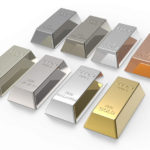
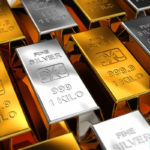
(Read More)Bullion, made of precious metals such as Gold, Silver, Platinum and Palladium, is a category of investment that covers coins, bars, and rounds. Their value is primarily dependent upon the quantity of the metal in the coin and are produced in large qualities. This means that they carry a very small premium above their cost, when compared to other categories we offer. As with all precious metal investments, the more of one item there is on the market, the lower the price. Typically, Bullion bars are the most well known in this category and are sold in sizes ranging from 1 gram to 400 ounces. However, when talking about Bullion coins, the most actively traded ones today are the Canadian Gold Maple Leaf, American Eagle, and American Buffalo. These three Bullion coins are so popular they typically have the best bid/ask prices over other items such as bars. Since the Bullion coin prices are so closely tied to the fluctuations in the price of metals, these are ideal for a short investment with the potential for a good return.
-
What is an Investment Coin?
(Read More)Investment Grade Coins are collectible coins that are scarce and highly sought after by collectors and investors alike. Forged with precious metals, this level of collectible coin offers an excellent profit potential for investors wanting to hold them at least three years. Investment Grade Coins can be sold individually or in rolls, and with every passing year, usually become scarcer and more valuable. At Mint State Gold, presented by Stuppler & Company, we have more than 50 years buying, selling, evaluating and consulting our clients on how to make the most of these desirable coins.
-
What is a Bullion Plus Coin?
(Read More)Bullion Plus coins are designed for investors and collectors. They fall into two categories; Classic and Proof coins. Both categories are classified as Bullion Plus coins because their price is based on of the value of the precious metal contained in the coin plus an 5-15% premium. The premium is determined by several factors that include investor/collector demand, tax advantages, special mint striking, limited issues and more. We offer them to investors looking for higher profit potential beyond the common bullion, and recommend that they be held for at least six months.
-
Bullion Plus vs. Investment Grade Coins
(Read More)The Bullion Plus category encompasses high quality and/or historic coins no longer produced – mainly made from gold and silver but they can also be minted in other metals as well. Bullion Plus are in high demand by savvy investors because these coins are of high quality, limited supply or both. Because of their increasing scarcity and quality these Bullion Plus coins carry a slight premium. It’s usually a minor amount between 5 to 15% above the value of the metal in the coin. Most savvy investors buy Bullion plus because they are a desirable investment for their portfolio and have the added bonus of being beautiful! For those to see ideal returns on these coins, we recommend Bullion Plus items for smart investors looking to hold onto their assets for a minimum of 6 months.
-
What is a Rare Coin?
Rare Coins are great investment items that are scarce, high quality and beautiful coins, and have been sought after for centuries. These coins are valued primarily for their investment demand and limited supply. As gold demand continues to grow, more and more smart investors are diversifying their portfolio and purchasing rare coins. Since these coins are collectable and no longer...(Read More)